Dad Embroidery Design for Real Projects
As an experienced embroidery designer and product reviewer, I've seen my fair share of Father's Day designs. Some are charming, others fall flat after stitching. When I first looked at the Dad Embroidery, Father’s Day Embroidery design, I knew it had potential—but only if used with care and consideration.
First Impressions: Classic with a Contemporary Edge
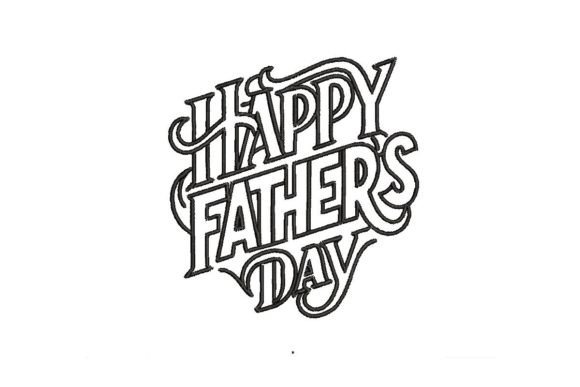
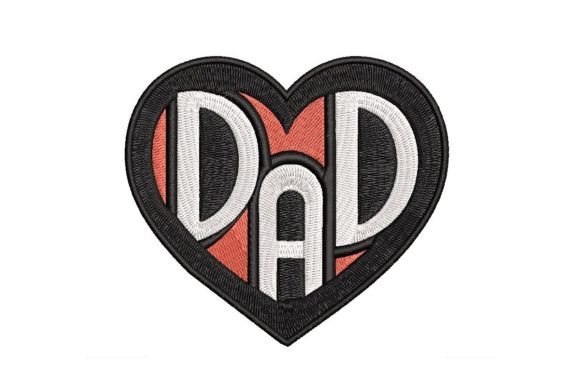
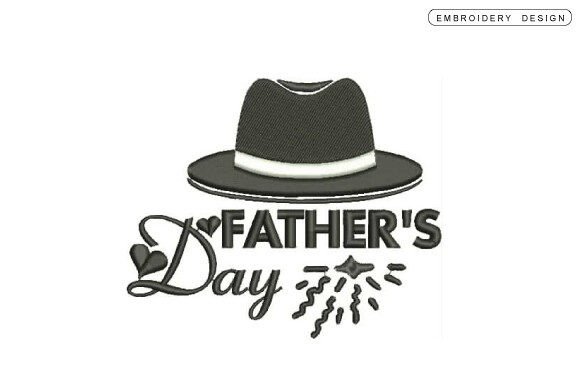
The Dad Embroidery design brings a warm, nostalgic feel to any project. It features bold lettering paired with subtle visual elements—like a stylized dad hat or a heart—that make it immediately recognizable as a Father’s Day motif without being overly cliché. The layout is balanced, with enough negative space to allow for easy integration into different items. The theme is versatile enough for both kids' gifts and adult-style apparel, making it a solid choice for a wide range of audiences.
What stands out most is the level of detail in the font and supporting graphics. The edges are clean, and the overall composition feels intentional rather than rushed. As a designer, I appreciate that this isn’t just another generic "Happy Dad" phrase stitched up—it has personality. That makes it ideal for projects where you want to create something memorable but not too busy.
Where This Design Shines
This machine embroidery design fits well into several categories:
- Custom Apparel: Sweatshirts, t-shirts, and jackets can all benefit from the Dad Embroidery’s classic charm. Especially on front-center placements, the design adds a personal touch that customers will love.
- Tote Bag Designs: For tote bags or market bags, the design looks great when placed near the top corner or centered along the handle. It reads well even when folded and becomes a subtle branding point for your craft business.
- Pillow Covers & Home Decor: Stitched onto pillow covers or framed artwork, the design elevates the aesthetic while maintaining a soft, homey vibe. It works especially well with natural fibers like cotton or linen.
- Baby Items: If you're planning baby shower gifts or nursery decor, this design offers a gentle way to celebrate the dad-to-be. Use it on onesies, blankets, or baby hats with a more subdued thread palette for a softer look.
- Aprons & Patches: The embroidered patch version could be sewn onto denim aprons or leather jackets. Its structure allows for clear visibility and durability, which is key for long-lasting handmade products.
Real-World Performance Considerations
In practice, I’ve found that the Dad Embroidery, Father’s Day Embroidery design performs best when given proper attention during setup. Let’s walk through a few real-life scenarios:
- Sweatshirt Embroidery: On a medium-weight sweatshirt, the design holds up nicely. The satin stitch outlines remain crisp, and the fill areas don’t pill easily if the right stabilizer is used. But keep an eye on stitch density—too much and the fabric may pucker; too little and the design may appear faded.
- Holiday Gift Ideas: One of my favorite uses was on a custom tea towel set for a client who runs a small shop. The design read clearly from a distance and added a professional finish that elevated the perceived value of the item.
- Embroidered Patches: I tried creating a patch using the design and found that the shape translates well into applique format. Just be sure to use a good backing material to prevent fraying and ensure the patch remains intact after repeated wear.
When to Proceed with Caution
While the Dad Embroidery design is adaptable, there are certain situations where it might not deliver its best results. Here are a few things to watch for:
- Small Hoop Sizes: The design includes some decorative accents that might get lost if you try to shrink it too much. Always check the minimum hoop size before placing it on tiny items like phone cases or keychains.
- Textured Fabrics: If you’re working with canvas or flannel, the stitch lines may not lay as smoothly as on smoother materials. You’ll need to adjust tension settings or consider using a heavier thread weight for better definition.
- Stretchy or Thin Materials: Stretchy fabrics like spandex or very thin linens can cause distortion. A tear-away stabilizer won't always cut it here—try using a cutaway or wash-away option instead.
- Dark Fabric Backgrounds: While the design is visually appealing, it loses impact when stitched on darker tones unless you use high-contrast thread colors. Always test the design on a black or navy background before finalizing your project.
- Curved Surfaces: Applying this design to caps or curved surfaces requires careful placement. The corners may warp slightly, so manually adjusting the placement points in your software can help maintain clarity.
Impact on Visual Appeal and Customer Perception
One of the biggest factors in successful embroidery is how the finished product is received by the customer. The Dad Embroidery design has a strong visual presence and communicates warmth and celebration effectively. Whether it’s part of a personalized gift or a commercial product, the design adds emotional resonance and professionalism.
For Etsy sellers and handmade shop owners, this kind of design can enhance buyer engagement. It tells a story—celebrating fatherhood in a stylish yet heartfelt way. Customers respond positively to such designs, especially when they’re presented with clear mockups and accurate color representation.
Practical Designer Notes
Before committing to a full production run or customer order, here are a few tips to keep in mind:
- Test on Scrap Fabric First: Every machine and every fabric behaves differently. Run a quick sample to see how the design reacts under your specific conditions.
- Check Thread Color Contrast: Make sure the colors pop against the chosen fabric. Sometimes, what looks good on screen doesn’t translate well in real life.
- Review Stitch Density: Dense areas can lead to puckering or stiffness. Adjust these as needed to match the texture of your material.
- Confirm Hoop Size: If the hoop is too tight, details may distort. Be precise about the recommended hoop size and expand it if necessary.
- Inspect Small Details: Look closely at the fonts and embellishments. These can be tricky on smaller scales or stretchier materials.
- Use Proper Stabilizer: Don’t skimp on stabilizer. The right type can make the difference between a polished result and a wrinkled mess.
- Test Black and White Mockups: This helps identify whether the design relies too heavily on color for legibility.
- Compare Light and Dark Backgrounds: See how the design adapts to different lighting conditions and fabric tones.
- Check Licensing Before Selling: If you plan to sell finished products or digital embroidery files, confirm the licensing terms to avoid legal issues later.
Final Thoughts for Creative Entrepreneurs
The Dad Embroidery, Father’s Day Embroidery design is a strong contender for many real-world embroidery projects. Its clean style and thoughtful layout make it suitable for both personal and commercial applications. However, its effectiveness depends heavily on the context of use—fabric type, placement, and presentation all play a role in how it lands with your audience.
If you're looking to build brand consistency or offer unique holiday gifts, this design can be a valuable asset. Just remember to treat it like any other embroidery file—with due diligence and a bit of creative experimentation. With the right approach, it can become a standout feature in your line of handmade products or boutique merchandise.
So go ahead, give it a try—but take the time to test and tweak. Your clients and customers will thank you for the extra care.