Groovy Banana Embroidery Design Review for Real Projects
As an embroidery designer and product reviewer with years of experience in the craft, I’ve seen my fair share of designs that promise a lot but deliver only on paper. The Groovy Banana Embroidery Design caught my attention not just because of its playful theme, but also because it’s tailored for a 4×4 hoop size—perfect for small to mid-sized projects where personality is key. Let me walk you through what this design brings to the table and how it might fit into your creative work.
First Impressions: A Nostalgic Pop of Fun
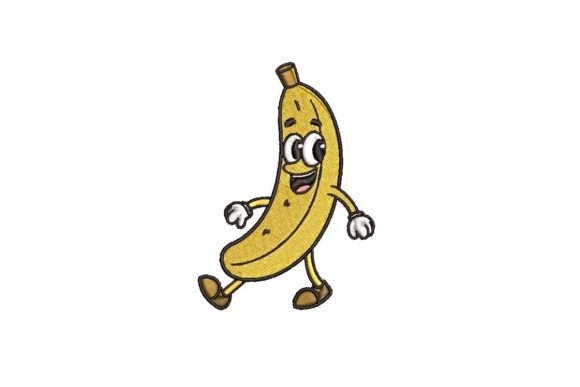
The moment I opened the digital file for Groovy Banana Embroidery Design, I was hit by a wave of retro charm. It’s got that classic psychedelic vibe—think tie-dye shirts from the '60s or vintage bumper stickers. The banana is stylized with bold curves and expressive features, making it instantly recognizable and approachable. This isn’t a realistic fruit study; it’s more of a whimsical character with a big smile and some groovy patterns running along its peel.
What stood out most was the balance between detail and simplicity. The design uses a mix of satin stitch for the banana outline and fill stitch for the background patterns. The layout is tight enough to suit smaller spaces but still has visual interest without becoming overwhelming. For those who like to add a bit of cheeky fun to their handmade products, this one hits all the right notes.
Visual Personality and Project Fit
Design-wise, Groovy Banana feels at home in casual wear, especially when paired with muted tones or soft pastels. It would look great as a front pocket embellishment on an apron, or centered on a tote bag for a pop of color. The shape is friendly and eye-catching, so it naturally fits into baby items, nursery decor, and even holiday gifts—especially around Halloween or Earth Day, where quirky motifs are appreciated.
I can already picture this on a custom sweatshirt or hoodie, maybe alongside some embroidered sunglasses or a flower power slogan. It’s the kind of design that makes people smile and stand out in a crowd. As a designer, I appreciate how it manages to be both nostalgic and modern, which gives it broad appeal across age groups and markets.
Real-Life Performance: Stitching Clarity and Fabric Compatibility
Embroidery is about more than just looks—it needs to stitch cleanly and hold up well after multiple washes and wears. Groovy Banana does well in most standard conditions, but there are a few things to keep in mind if you're using it for real-life projects.
- Custom Apparel: On t-shirts and sweatsherts, the design holds its form nicely, especially when using a medium-weight cotton or cotton blend. The stitch density is just right—not too thick to cause puckering, but dense enough to prevent gaps.
- Tote Bags: This design works particularly well on woven tote bags. Its clean lines and moderate coverage make it easy to position and stabilize without worrying about distortion.
- Baby Clothes and Aprons: The bright colors and simple layout are ideal for baby items and kitchen aprons. Just ensure you’re using a fabric that won’t stretch under the weight of the stitching.
- Patches and Caps: If you plan to turn it into an embroidered patch, the 4×4 hoop size is manageable, though you may need to adjust the placement slightly depending on the cap style. Curved surfaces require extra stabilizer and careful alignment.
One thing I noticed during testing is that the design relies on good thread contrast to really pop. On darker fabrics, the banana may appear flat unless you use light-colored threads. On lighter backgrounds, however, it shines beautifully, creating a vibrant focal point.
Where to Use It Carefully
While Groovy Banana is versatile, it's not perfect for every situation. Here are a few scenarios where I’d advise caution:
- Thin or Stretchy Fabrics: The satin stitches can cause stretching or pulling on delicate materials. Stabilizer becomes essential here.
- Textured Fabrics: If you're working with denim or canvas, the texture can dull the fine details. Consider using a tear-away stabilizer or adjusting stitch settings for better clarity.
- Dark Backgrounds: Without sufficient thread contrast, the design loses its impact. Always test on a dark fabric before finalizing any production runs.
- Layered Garments: Placing this design on a layered sweatshirt or jacket may result in uneven stitching depth. You’ll want to check the layers for consistency before hooping.
- Frequent Washing: While the design itself is stable, always consider the fabric choice for items that will see regular use, like hankies or tea towels. Opt for durable materials to maintain quality over time.
Impact on Product Value and Customer Perception
In the world of handmade and boutique products, visual appeal often translates directly into perceived value. Groovy Banana adds a layer of personality that can elevate a basic item into something memorable. Whether it’s a personalized gift or part of a small shop product line, this design can serve as a signature element that customers recognize and return for.
From a branding perspective, it’s useful for Etsy sellers and small business owners looking to inject some creativity into their listings. When used consistently across tote bags, aprons, or baby clothes, it helps build a cohesive brand identity. Customers love seeing unique, hand-stitched touches that reflect a maker’s style—and this design delivers just that.
Its retro feel also makes it a strong contender for holiday embroidery, especially for themed gifts. Think back-to-school items, summer camp apparel, or even birthday gifts for kids. The design’s cheerful nature invites engagement, whether through comments, social media shares, or repeat purchases.
Designer Notes: Practical Tips Before Embroidering
If you're planning to use Groovy Banana Embroidery Design in your next project, here are some tips based on real-world application:
- Test it first: Always stitch a sample on scrap fabric similar to your final material. This helps catch issues with thread tension or fabric behavior early.
- Check thread color contrast: Make sure the chosen thread colors provide enough visibility against the fabric background. Don’t assume that the design will look the same in black as it does in white.
- Review stitch density: Especially in fill areas. Adjust if necessary to avoid puckering or excess bulk.
- Confirm hoop size: The design is specifically made for a 4×4 hoop, so double-check compatibility with your machine and software.
- Inspect small details: Look closely at the banana’s eyes and lines. They may require slight tweaking if your machine struggles with tiny stitch areas.
- Try black and white mockups: This helps visualize how the design will look in grayscale or if printed for previews.
- Use proper stabilizer: Depending on the fabric, a cutaway or no-show stabilizer can help maintain shape and prevent distortion.
- Check licensing: If you plan to sell finished products or digital embroidery files, confirm that you have the appropriate rights to do so.
Final Thoughts: A Playful, Reliable Design Asset
The Groovy Banana Embroidery Design is a solid addition to any embroidery designer’s toolkit. It’s not overly complex, which makes it beginner-friendly, yet it carries enough visual character to feel professional. Its retro aesthetic opens the door for a range of applications—from personal gifts to commercial merchandise.
That said, like any design, it needs thoughtful placement and preparation. Pay attention to fabric type, thread selection, and surface curvature. With the right care, Groovy Banana can become a standout feature in your handmade product lineup or a beloved motif in your customer’s wardrobe.
For those considering adding this design to their embroidery project portfolio, I recommend viewing it as a flexible asset rather than a one-size-fits-all solution. It shines brightest on cotton-based apparel and accessories, where it can truly come to life with crisp edges and bold colors.
If you're building a craft business, this design could be a great way to differentiate your offerings. Just make sure to pair it with complementary elements and high-quality materials to create a finished product that speaks to your brand’s values and aesthetics.