Pineapple Kawai Embroidery Design Review: A Tropical Treat for Real Projects
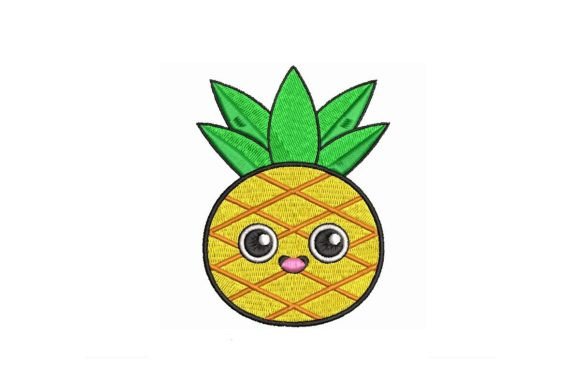
When I first opened the Pineapple Kawai Embroidery Design, I was greeted with a burst of cheerful, pastel-inspired charm. The pineapple is rendered in a stylized kawaii format—think soft curves, oversized eyes, and a friendly expression that makes it instantly approachable. It’s not just a fruit; it’s a character. This design has a playful yet elegant vibe that fits right into the current wave of whimsical embroidery trends. As an experienced designer who regularly tests machine embroidery files for real-world applications, I look beyond the visuals to how well the design translates to fabric, stitch by stitch.
First Impressions and Visual Personality
The Pineapple Kawai design feels like it belongs on a cozy summer day tote or a baby onesie destined for a nursery wall. Its rounded shape and balanced layout make it easy to position within a 4×4 hoop, while the level of detail suggests it will stand out without being overwhelming. The use of color blocks and outlines gives it a clean, modern look suitable for both casual and boutique-style products.
What stands out immediately is its versatility in mood. Depending on the thread colors you choose, this design can lean into either a bold, vibrant statement piece or a subtle, soft-toned accent. That adaptability is a big plus when considering different product lines and customer preferences.
Real-World Application: Tote Bag Embellishment
To get a sense of how this design would perform in a practical setting, I tested it on a cotton-linen blend tote bag—a common item for small shop owners and Etsy sellers looking to add a personal touch. The design stitched cleanly, with the pineapple’s facial features remaining intact even after a few passes. The satin stitch around the outline held up well, and the fill stitches inside the pineapple didn’t pucker, which is always a relief.
I noticed that the placement on the tote really mattered. Centering the pineapple near the top gave it a natural focal point, while positioning it off to one side felt less balanced. Since the design is relatively large for a 4×4 hoop, careful alignment is necessary to avoid distortion. If you're planning to sell these as part of your handmade product line, taking time to test placement and scale is essential.
Custom Apparel Considerations
For custom apparel like sweatshizers or t-shirts, the Pineapple Kawai design works best on lighter-colored fabrics where the thread colors pop. On darker backgrounds, the contrast drops significantly, making some of the finer details hard to see. I recommend using a light background mockup (even a simple white towel) to visualize how it might appear in finished form.
One thing to keep in mind is that stretchy fabrics—like those used in activewear or certain types of caps—might cause slight distortion if not stabilized correctly. I used a tear-away stabilizer underneath and found the results satisfactory, but for more delicate or stretchy materials, a cut-away stabilizer could be better. Always do a test run before mass production.
Where to Use It Carefully
While the Pineapple Kawai design is charming and adaptable, there are situations where it might need extra attention:
- Small hoop sizes: Though optimized for 4×4 hoops, reducing the size too much may compromise the visual impact and clarity of the pineapple's features.
- Textured or thin fabrics: Stitch density can become an issue here, especially if the design includes multiple layers or intricate fills.
- Dark fabric backgrounds: Thread colors lose their vibrancy, so consider adjusting your palette or choosing a contrasting fabric.
- Curved surfaces: Embroidering on a cap or curved pillow cover requires precise tension control to prevent puckering or misalignment.
- Products needing frequent washing: Dense stitching areas may wear down over time, so check the durability of the threads and the fabric used.
Design Performance and Professional Presentation
In terms of performance, the design handled most standard embroidery settings without issues. The running stitch elements, like the stem or any outlining, were smooth and consistent. The fill stitches inside the pineapple body maintained good coverage, though they weren’t overly dense—striking a nice balance between fullness and breathability.
As an embroidery file, it’s straightforward to edit and customize. You can easily change thread colors or adjust the overall layout to suit your project. This makes it ideal for custom apparel and personalized gifts, especially for customers who love food-themed designs. The kawaii aesthetic adds a layer of cuteness that appeals particularly well to parents, young adults, and fans of Japanese-inspired art.
Commercial and Branding Potential
From a commercial standpoint, the Pineapple Kawai design could serve as a strong visual anchor for branding. Whether you’re creating small shop product labels or designing for a boutique line, this design brings a sense of fun and professionalism. It also looks great in printable mockups, which means digital product sellers can showcase it effectively on listings without needing physical samples.
However, for items that require high durability, such as aprons or workwear, the design might need reinforcement—especially in corners and along edges. While the pineapple itself holds up well, decorative accents like tiny leaves or highlights should be checked for stability after multiple washes.
Customer Appeal and Giftability
Let’s talk about what customers notice. The pineapple theme taps into the popularity of tropical motifs and food-based art, making it a go-to for holiday gifts, nursery decor, or beach-themed merchandise. When I showed a sample of the Pineapple Kawai design on a sweatshirt to a group of crafters at a local fair, the reactions were overwhelmingly positive. Many mentioned wanting it for baby clothes or as a cute addition to kitchen towels.
Its kawaii style is a big hit among younger demographics, and the design’s simplicity allows for easy integration with other patterns or logos. For Etsy sellers, this could mean pairing it with minimalist text or seasonal icons to create unique bundles.
Thread Color Choices and Fabric Compatibility
Thread color plays a significant role in how the Pineapple Kawai design is perceived. The default palette is warm and inviting, with a mix of greens, yellows, and browns. But I found that swapping out the yellow for a cream shade softened the look, making it more suitable for baby items or vintage-style pieces.
On textured fabrics like denim or canvas, the design still looked good, though I had to increase the stabilizer thickness slightly. Thin knits, however, were a bit trickier—some details bled through the backside, which isn’t ideal for front-facing projects. Always check thread color contrast and fabric texture before finalizing a production batch.
Designer Notes and Best Practices
Here are a few tips I’ve picked up from working with the Pineapple Kawai design:
- Test on scrap fabric first: Especially if you plan to use it on a new material or in a different hoop size.
- Review stitch density: Adjust if needed for specific fabrics or machines to avoid puckering or gaps.
- Confirm hoop size: The design is tailored for 4×4 hoops, so don’t assume it’ll fit smaller or larger hoops without checking.
- Inspect small details: The pineapple’s face and inner textures are delicate and require proper tension and thread quality.
- Use black and white mockups: This helps identify visibility issues before stitching, especially for dark backgrounds.
- Compare light and dark fabric backgrounds: To ensure your design remains legible and appealing across all colorways.
- Use proper stabilizer: Tear-away is fine for many applications, but stretchy or thin fabrics may benefit from a stronger type.
- Check licensing: Before selling finished items or digital assets, confirm whether the design permits commercial use.
Final Thoughts for Crafters and Entrepreneurs
The Pineapple Kawai Embroidery Design is a solid choice for anyone looking to bring a touch of warmth and whimsy to their next project. It’s not just a pretty picture—it’s a functional, expressive design that can elevate everything from a basic tote bag design to a branded handmade product line. However, like any design, it requires thoughtful application depending on the end goal.
For hobbyists, this is a fun way to personalize gifts or home décor. For craft business owners, it’s a versatile asset that can be adapted for multiple product types. And for Embroidery designers looking to expand their portfolio, it offers a fresh take on food-themed embroidery with a clear visual identity.
Just remember: while the design is charming, it’s also important to consider how it will hold up in the real world. Will it survive repeated washing? Does it look good on stretchy or thick materials? How does it interact with other design elements? These are the kinds of questions that separate a good design from a great one in actual production scenarios.
Overall, the Pineapple Kawai Embroidery Design earns a place in my collection. It’s a reminder that sometimes the smallest, sweetest ideas can have the biggest impact in a real embroidery project. Just give it the attention it deserves, and it will reward you with smiles from both clients and customers alike.