African Patterned Pot Embroidery Design Review for Craft Fairs
As an experienced embroidery designer, I’ve reviewed countless machine embroidery designs in preparation for craft fairs and handmade market displays. The African Patterned Pot Embroidery Design caught my eye immediately with its promise of boldness and natural charm. Let’s take a closer look at how this design can perform across different products and what it takes to turn it into a standout item for your booth or Etsy shop.
First Impressions: A Bold and Colorful Statement
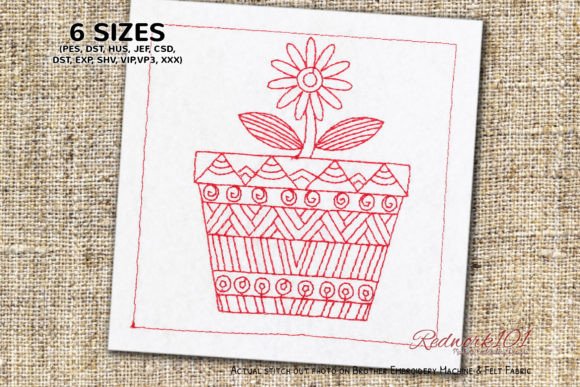
The title and description of the African Patterned Pot Embroidery Design suggest a vibrant, nature-inspired motif with rich cultural undertones. While “African” is mentioned once, the design itself appears to focus on stylized elements—perhaps geometric patterns or botanical shapes inspired by traditional African art. It doesn’t scream “cliché,” which is a good sign for modern audiences who appreciate authenticity without kitsch.
What stands out most is the use of color and form. The description mentions a “burst of color,” so I expect the design to be lively and visually engaging. If you’re looking for something that adds character to handmade products, especially those with a global or artisan flair, this could be a solid choice. It feels decorative yet versatile enough to adapt to multiple fabric types and product categories.
Where This Design Shines: Product Placement Ideas
Let’s break down where the African Patterned Pot Embroidery Design might truly pop when turned into finished goods:
- Tote Bags: This design has the potential to become a focal point on canvas or cotton totes. Its boldness makes it ideal for weekend craft fair products where customers are scanning for unique items quickly. Place it centered on the front for maximum visibility.
- Aprons: An embroidered pot pattern adds both style and storytelling to kitchen aprons. The design should work well on mid-weight cotton blends, especially if it avoids overly dense stitch areas near seams or pockets.
- Tea Towels: For tea towels or dishcloths, the placement depends on the design's scale. If it’s not too large, consider using it as an accent near the corner or along the edge. Textured towels may affect clarity, so test carefully.
- Embroidered Patches: As a patch, the African Patterned Pot Embroidery Design can be sewn onto denim jackets, tote bags, or even backpacks. Just ensure the details remain legible at smaller sizes.
- Caps and Hats: Curved surfaces can be tricky. If the design is symmetrical or circular, it could work well on baseball caps. Otherwise, opt for a flat surface like a hat band or patch application.
- Fabric Pouches: Small pouches or cosmetic bags benefit from a compact version of the design. Use it to create a cohesive collection with matching thread colors.
- Pillow Covers: These are perfect for showcasing larger, more intricate embroidery files. The African Patterned Pot Embroidery Design can add a touch of elegance to home décor lineups.
- Market Bags: Especially useful during eco-friendly events, these reusable bags need a strong visual hook. The design’s color and detail make it a great candidate for attention-grabbing appeal.
- Handmade Gifts: Whether it’s a custom gift bag, ornament, or small accessory, the design brings a sense of care and creativity that buyers love.
- Booth Samples: Displaying a tote bag or pillow cover with the African Patterned Pot Embroidery Design will likely draw customer interest due to its uniqueness and artistic quality.
- Etsy Listings: With the right photos and descriptions, this design can stand out in competitive niches like small shop products and commercial embroidery.
Design Practicality: What Works and What Doesn’t
Before loading up your booth with products featuring the African Patterned Pot Embroidery Design, it’s essential to understand its production quirks. Here are some key considerations:
Size and Placement
This design works best when given enough space to breathe. If it includes detailed linework or tiny motifs, placing it on a large area like a tote bag allows customers to fully appreciate the intricacy. However, if you're making smaller items like patches or pouches, you’ll want to check whether the design loses clarity when scaled down.
Stitch Density and Fabric Texture
High-density stitching is often necessary for bold visuals, but it can cause puckering or stiffness on certain fabrics. When working with stretchy or thin materials, reduce density slightly or choose a section of the design that’s less intricate. On the other hand, thick canvas or linen can handle heavier stitch counts and still maintain shape and durability.
Thread Colors and Contrast
Since the description highlights a burst of color, I assume the design comes with a recommended thread palette. However, always test the thread colors against your fabric choices. Dark textiles may mute the vibrancy, while light-colored backgrounds enhance it. Don’t hesitate to tweak the colors for better contrast or to match seasonal themes.
Hoop Size and Stabilizer Needs
If the design is complex or large, it may require a bigger hoop size than standard. Make sure to confirm the required hoop size before bulk production. Also, depending on the fabric type, you might need a tear-away or cut-away stabilizer to prevent distortion or shifting during stitching.
Photography and Online Appeal
In today’s digital-first market, your printable mockup or actual finished product must photograph well. The African Patterned Pot Embroidery Design seems promising for online listings because of its visual richness. The color and pattern create a sense of premium quality, which is excellent for Etsy sellers aiming to highlight handmade value.
To capture its full impact, photograph it under natural light with a clean backdrop. Consider showing it on multiple products—like a tote and a tea towel—to demonstrate versatility. For digital sellers, creating a few mockups with different background colors can help buyers visualize how it looks on various styles.
Production Tips for Maximum Profitability
Here’s how to approach turning this digital embroidery file into profitable craft fair products:
- Test on Scrap Fabric: Always run a trial stitch to see how the design handles your chosen fabric and machine settings.
- Review Spacing: Check if there are any tight lines or overlapping stitches that might break or tangle during production.
- Confirm Commercial Licensing: Before selling commercial embroidery products, verify that the design assets allow for retail sales. This is critical for digital sellers and boutique makers.
- Inspect Tiny Details: If the design includes delicate elements or lettering, ensure they remain clear after scaling and stitching.
- Create a Real Mockup: Even if you have a printable one, stitch the design on your main product to evaluate how it looks in person.
- Compare Fabric Colors: Choose a background fabric that complements the design rather than competes with it.
Customer Engagement and Branding Potential
The African Patterned Pot Embroidery Design offers a unique visual identity that can set your booth apart from others. Its cultural inspiration gives it depth, and when used thoughtfully, it supports a brand narrative around global aesthetics or natural beauty.
Buyers tend to gravitate toward items that feel intentional and expressive. The design’s bold presence invites questions and conversation, which is invaluable for craft fair sellers. You can position it as part of a themed collection, such as “Global Inspired Living” or “Botanical Embellishments,” to build brand consistency and increase perceived value.
Its versatility also means you can mix it with simpler designs or neutral tones for a balanced display. Think of it as a signature piece in your lineup that elevates the overall aesthetic of your handmade shop or boutique.
Final Thoughts for Booth Builders and Digital Sellers
While the African Patterned Pot Embroidery Design is undeniably appealing, success hinges on thoughtful implementation. It’s not just about having a beautiful embroidery file, but knowing how to apply it effectively to maximize both visual appeal and practicality.
For embroidery business owners, this design could serve as a flagship piece in a range of products, especially if you’re targeting the farmhouse, bohemian, or global-inspired markets. For Cricut and embroidery crafters, it’s worth exploring how it translates to different fabric textures and garment types.
Remember to always review the design thoroughly, including checking for tiny details and confirming compatibility with your equipment. And above all, let the design speak for itself—its beauty and story are already baked in. Now it’s up to you to showcase it in the best possible way.